Your HVAC system is one of those home systems you only notice when something feels “off.” The problem is that the earliest signs of trouble are often quiet. Airflow drops by a little. Temperatures swing a little more than they used to. The sounds and smells that show up at first seem minor, then they start repeating, and eventually the system starts costing you money instead of keeping you comfortable.
In Kansas City, MO, the weather does you no favors. You get humid summers, cold snaps in winter, and fast changes that put real stress on air conditioning, heat pumps, furnaces, and ductwork. When HVAC components run in that environment without proper maintenance, small issues turn into system-level problems: coils get dirty, sensors drift out of range, refrigerant leaks become harder to find, and airflow restrictions increase. Professional maintenance is not just about preventing breakdowns, it is about keeping performance stable so your system does not have to work twice as hard to do the same job.
Below are the most common signs your HVAC system needs professional attention, with specific details about what they usually mean and what you should do next. I will also touch on why DIY fixes often fall short, especially when it comes to AC repair in Kansas City MO and HVAC repair in Kansas City MO.
Small comfort problems that feel “almost normal”
The easiest sign to miss is the one you blame on the weather. If your AC seems to take longer to cool the house, or the living room stays warmer than the thermostat setting, it can feel like “just another hot day.” But small comfort issues are often the first clue that something is changing in the system.
For example, dirty indoor coils can reduce heat transfer. The blower may still run, and air still comes out, but the air temperature is no longer as cold or as consistent. A refrigerant issue can create similar symptoms, but the system may behave differently. If you notice repeated cycling, short run times, or temperature swings, that often points to airflow problems, thermostat issues, refrigerant problems, or control board behavior that needs diagnostics, not guessing.
In older homes, duct leakage and airflow imbalance can also mimic system problems. If the upstairs is always warmer during summer or the basement is always cooler, you may be dealing with duct distribution issues. Maintenance can help by addressing filters, blower cleanliness, and common restrictions, but a proper evaluation sometimes turns into a ductwork assessment. That is where choosing the right HVAC contractor in Kansas City MO matters, because the job is not just “fix the unit,” it is understand how the unit interacts with the whole system.
Your system is running more than it used to
When HVAC maintenance is neglected, efficiency drops. The system has to run longer to reach and hold set temperatures. People often interpret longer runtime as a sign the thermostat is set too high or too low. Sometimes that is true. More often, it is the system struggling to move air, cool properly, or burn fuel efficiently.
A few examples I see frequently:
- The AC runs continuously during humid afternoons, then shuts off late, and the house still feels clammy. The furnace or heat source runs in longer cycles and never seems to finish warming the home evenly. The system starts quickly, then stumbles into slower performance, especially after it has been running for a while.
Long runtime can also happen when the thermostat is inaccurate or the system is oversized. Oversizing can still cause short cycling and poor humidity control. But even in those cases, professional maintenance helps confirm what is going on instead of treating symptoms.
Strange noises that change over time
Some HVAC sounds are normal. Blower airflow produces a steady sound, and compressors make a characteristic hum or vibration. But noises that change, repeat, or get louder are a strong “schedule service” indicator.
Common trouble sounds include:
- Screeching or squealing, often linked to belt-driven components, failing bearings, or airflow over a stressed blower motor. Banging or clanking, sometimes associated with ductwork movement, loose panels, or failing internal components. Rattling, which can be from debris in the outdoor unit, loose electrical parts, or insulation shifting. Clicking that happens in rapid sequences, which can indicate control board or safety switch behavior that is not operating as it should.
A lot of homeowners wait until a noise becomes unbearable, but the cost is that the system may already be damaging itself. For instance, a failing fan motor bearing can create heat and vibration that accelerates wear. Refrigerant line vibration can loosen fittings over time. The longer you let a mechanical issue continue, the more likely the problem expands beyond the original component.
If you are considering AC repair in Kansas City MO because you hear new noises, it is worth paying attention to when they occur. Does the sound start only after the system has been running for 20 minutes? Does it appear during startup or shutdown? Those details help a technician narrow down the likely cause.
Weak airflow or inconsistent temperatures
Airflow is the language your HVAC system uses to tell you it is working correctly. When airflow is weak, you may see symptoms across multiple seasons.
During cooling, weak airflow can lead to warm rooms, humidity problems, and frozen or iced-over components in some conditions. During heating, weak airflow can reduce comfort and increase the likelihood of overheating safety trips.

Here are practical cues:
- You feel less air coming from vents than you did last summer. Some vents blow strongly while others barely move air. The supply registers sound different, like they are “hissing” or rattling. The filter area looks more restricted than usual after a shorter run time, which can indicate airflow limitations.
In many systems, restricted airflow is not just a filter issue. Filters can be the first and easiest culprit, but other common causes include:
- dirty evaporator or condenser coils blower wheel buildup (dust and debris reduce efficiency) failing blower motor or capacitor issues with duct sealing or damper operation refrigerant problems that change pressure and system behavior
If you only replace the filter and the problem returns quickly, do not assume the issue is “just the filter.” That is a great moment to schedule AC maintenance in Kansas City. Maintenance can address the components that a new filter cannot fix.
Cooling that feels uneven, plus humidity that won’t cooperate
In the Kansas City area, humidity is often the real enemy. Even if the house reaches the thermostat temperature, it can still feel sticky and uncomfortable if humidity removal is poor. Humidity control relies on the system cooling the air over a range of coil temperatures long enough and moving enough air across the coil.
If you notice any of the following, professional evaluation is justified:
- The air feels cold but clammy at the same time. The system cools a room quickly, then stops early, and humidity lingers. Condensation shows up in places it normally does not, or you see water where it should not be. Your windows fog more often during cooling seasons.
Humidity issues can be tied to airflow restrictions, dirty coils, improper refrigerant levels, or even problems with condensate drainage. A drain line that is partially blocked can cause water buildup around the indoor unit, lead to corrosion, and create musty odors. More serious blockages can trigger safety switch behavior, causing the unit to shut down unexpectedly.
The key point is that humidity control is not a “nice bonus.” It affects comfort, indoor air quality, and even how hard the system cycles. When technicians perform AC maintenance in Kansas City, they often look closely at condensate drainage and coil cleanliness because those details influence both performance and moisture.
Musty odors, burning smells, or unusual chemical notes
Smells are one of the fastest ways to determine whether something needs immediate professional attention.
A musty smell that appears when the system turns on often points to moisture problems. That could be a condensate line issue, trapped humidity on coils, or organic buildup in the air handler. A burning smell can indicate electrical components overheating or a problem with the blower motor, wiring, or contact points.
A “chemical” or sharp odor is also a caution sign. While some systems can produce odors when new filters are installed or when dust burns off, persistent odors or odors that grow stronger over time should be checked.
If you smell something like burning plastic, you should not keep running the system. Turn it off at the thermostat and breaker, and contact a local HVAC professional. The goal is to avoid damage escalation, including safety hazards that are not worth gambling on.
Refrigerant and airflow clues you can observe
Most homeowners cannot directly measure refrigerant without specialized equipment. Still, there are visible patterns that often show up when the system is not operating within expected ranges.
Watch for:
- Ice on refrigerant lines or on the indoor evaporator coil area Frosting that comes and goes and seems tied to longer runtime The unit runs but the air never gets properly cold The outdoor unit has unusual patterns of frost or sweating on tubing
Keep in mind that some mild condensation on parts of the unit can be normal depending on humidity. But consistent icing, especially at the AC repair in Kansas City MO indoor unit, is often a sign of airflow restriction, refrigerant imbalance, or a problem with temperature sensing.
This is where AC repair in Kansas City MO tends to require more than “top it off.” Proper refrigerant troubleshooting involves leak detection, measurement, and confirming airflow and component performance. If someone jumps straight to adding refrigerant without addressing root causes, the system may temporarily cool, then the underlying issue returns.
Electrical symptoms and thermostat behavior
Sometimes the system does not break down dramatically. It just behaves strangely.
Look for:
- the thermostat screen flickering or showing odd behavior frequent switching between heating and cooling delayed response when the thermostat calls for comfort the outdoor unit humming without starting fully sudden shutdowns with no clear “fix” after cycling the system
Electrical symptoms can connect to dirty contact points, failing capacitors, aging control boards, low voltage problems, or wiring issues. These are not things I recommend homeowners diagnose without proper tools. A technician can check voltage, measure component health, and verify safety switches.
It is also worth noting that thermostat placement matters. If the thermostat is in direct sunlight, near a door that opens frequently, or close to a heat source like a kitchen wall, it can misread temperature. That can cause the system to run longer and reduce comfort. A good maintenance visit often includes a quick look at thermostat placement, operation, and system response patterns.
A quick checklist you can use before service
If you are wondering whether it is time to call for HVAC repair in Kansas City MO, use this as a practical starting point. If multiple items match what you are seeing, maintenance is usually the right next step.
- Your system runs longer than it used to to reach the same temperature Airflow feels weaker from vents, or temperatures vary significantly room to room You hear new or worsening noises during startup, operation, or shutdown You notice musty, burning, or persistent unusual odors when the system runs You see ice, persistent condensation, or water where you normally do not
This is not a substitute for a diagnosis. It is a way to help you notice patterns instead of dismissing symptoms.
When “just replace the filter” is not enough
Filters are important, and using the right filter helps protect equipment. But replacing a filter does not address many maintenance gaps.
A filter that gets clogged quickly can indicate another airflow issue upstream. For example, a dirty evaporator coil can reduce airflow and cause the blower to work harder. Or a duct system might be restricting airflow in ways that make the filter collect dust faster. In some homes, the system is also pulling more dust from older ductwork or from building materials disturbed during remodeling.
Also, not all filters are equal in terms of airflow restriction. A higher MERV filter can capture more particles, but if the system is not designed for it or if it is already struggling with airflow, the system may show symptoms like weak output, higher pressure, or increased runtime. This is one of those trade-offs where “the best filter” depends on your system and your goals.
Professional AC maintenance in Kansas City typically includes confirming filter size and compatibility, checking blower operation, and examining the indoor coil and drain line. That is why a maintenance plan is more effective than a filter-only approach.
What a professional maintenance visit typically covers
Every HVAC contractor has their own process, but a quality maintenance visit usually has a consistent theme: verify operation, clean components that collect debris, check safety and control performance, and measure key performance indicators.
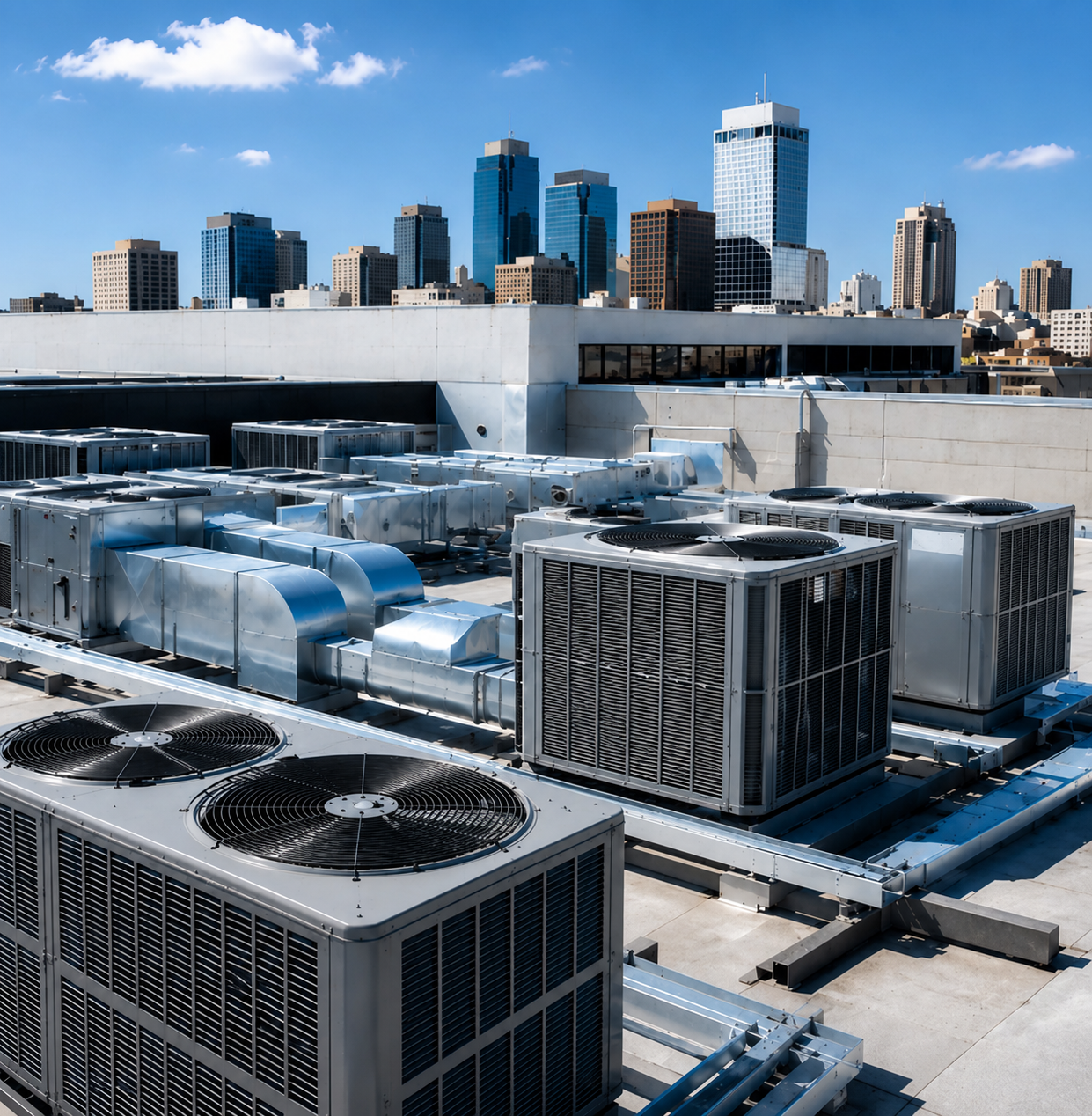
For air conditioning and heat pumps, technicians often focus on the outdoor and indoor components together. Cleaning coils improves heat transfer and reduces strain. Checking drain lines reduces moisture and odor risk. Inspecting electrical connections helps prevent intermittent failures. Verifying airflow and temperature performance confirms the system can deliver comfort efficiently.
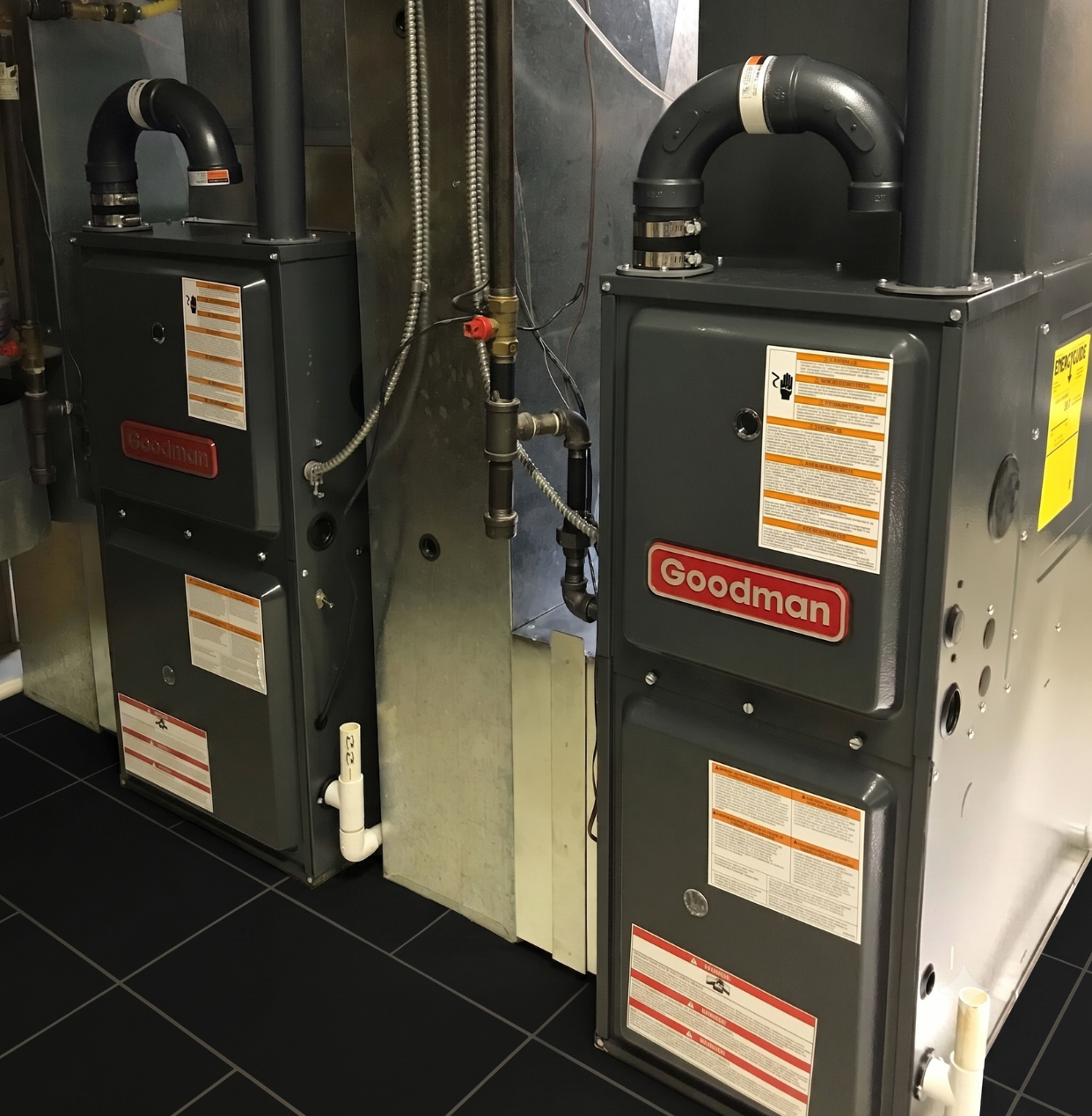
For furnaces and heating systems, the emphasis can include burner and combustion checks (where applicable), verifying safe operation, and confirming proper airflow across heat exchangers. A system that heats “okay” but has subtle combustion or airflow problems is a risk, not just a comfort issue.
If you have had an AC installation in Kansas City recently, maintenance still matters. New installs are great when they are done correctly, but a system that is slightly misconfigured, has duct distribution issues, or has a coil that needs cleaning after construction dust can still underperform. A good technician can spot early problems before they become expensive.
Edge cases that confuse homeowners
There are a few situations where the “obvious” explanation does not fit what people think.
The system starts fine, then performance slips
If the system cools at first and then the air warms, that can point to coil buildup, airflow restriction developing as the system runs, or control behavior related to temperature sensing.
The thermostat reads correctly, but rooms still feel wrong
That often points to airflow distribution, duct balancing, or register issues. Maintenance can help by ensuring the blower is clean and operating correctly, but it may also require duct evaluation.
The unit cycles quickly
Short cycling can occur when the thermostat is oversized, when the system cannot hold the necessary run time due to safety trips, or when airflow and coil conditions do not support stable operation. It is not always “low refrigerant” even if the symptom looks similar.
One season is fine, the other is not
Some systems fail only during cooling or only during heating due to component age and seasonal stress. That means a system can seem okay in spring and then act up in summer because the cooling components are dirty or weak. The reverse can happen for heating in winter.
What happens if you keep delaying?
You can absolutely run an HVAC system past the point where it still works reliably. Many homeowners do, especially when the issues seem manageable. But delaying professional maintenance changes the type of problems you face.
- Dirty coils and restricted airflow increase energy use. You feel it as longer run times and comfort issues. Small electrical issues get worse under heat and vibration. Intermittent starts become hard failures. Condensate problems can damage indoor components and promote odors. Refrigerant-related issues, if ignored, can lead to compressor stress.
The risk is not just breakdown. It is the chain reaction that turns a repairable fault into a bigger job. That is why maintenance, even when the system is still “working,” is a smarter strategy than waiting for a clear failure.
A practical plan for getting help
If you are seeing multiple signs from the checklist, the next step is to contact a local professional and ask the right questions. You want a service approach that diagnoses instead of guessing.
Here is a small set of questions you can use when you call:
- What tests will you run to confirm airflow, coil condition, and electrical safety? Do you check both indoor and outdoor components during the same visit? Will you explain what measurements you find and what they indicate? If refrigerant is suspected, how do you confirm the cause, not just the level? What maintenance items do you recommend based on what you see today?
The answers tell you how the technician thinks. If someone dismisses symptoms without measurements, or if they suggest repairs that do not address root causes, that is a warning sign.
Two things you can do today, without creating risk
You do not have to wait for service to take sensible action. There are a couple of safe steps that can help you while you schedule an HVAC visit.
First, replace the air filter with the correct size and a filter that your system can handle. Second, check the thermostat settings and confirm the thermostat is on the right mode and fan setting. If the system is running but not responding, check whether there is power at the outdoor unit and whether breakers appear tripped.
Beyond that, avoid turning valves, adjusting refrigerant components, or cleaning parts you cannot access safely. HVAC systems involve high voltages, pressurized components, and delicate coils. Maintenance should be handled by someone trained to do it correctly.
The comfort payoff of maintenance in Kansas City
Professional maintenance is not just about preventing emergencies. It is about stable comfort, predictable performance, and fewer surprises during the hottest week of the year or the coldest morning stretch.
When your AC is clean and airflow is correct, you get stronger cooling at the register and better humidity control. When your heating system is maintained, it warms more efficiently and reduces the likelihood of safety interruptions. When the electrical connections are inspected, you reduce the chance of intermittent failures that show up at inconvenient times.
If you are looking for reliable support, finding the right HVAC contractor in Kansas City MO can make a difference in how quickly problems are identified and whether the repair actually fixes the underlying cause. The best technicians do not just patch symptoms. They look at the system as a set of interacting parts, especially the indoor airflow path and the outdoor heat exchange surfaces.
In a region where the seasons can shift quickly, that kind of attention is what keeps your home comfortable, and keeps your AC repair in Kansas City MO calls from turning into a recurring series.
All 4 One Heating & Cooling
5828 Woodland Ave, Kansas City, MO 64110, United States
816-699-8366
[email protected]
Website: https://all4onekc.com/